
AFCON 20276 min read
Coming to AFCON 2027 for work: squads, press, sponsors and the people behind them
A month in one city, invoices that have to satisfy a finance department, and a schedule nobody controls. What a working stay at Pamoja 2027 actually needs.
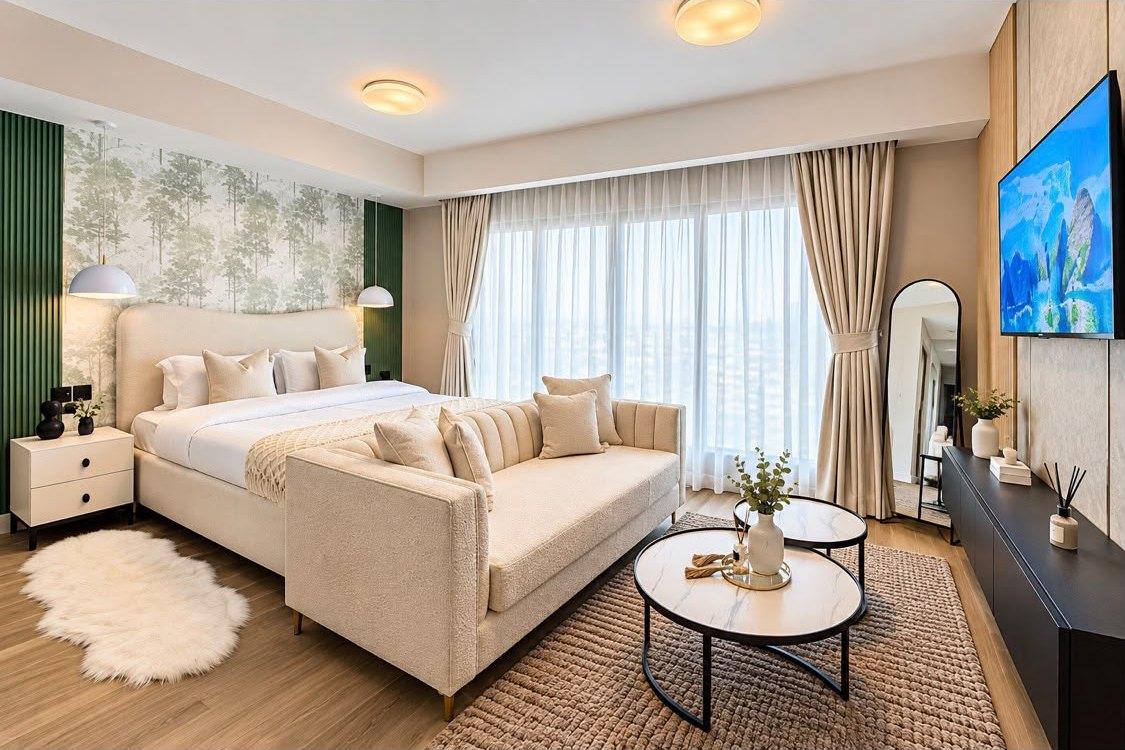
Most writing about a tournament is for supporters. A good deal of the people who travel to one are working: broadcast crews, writers, photographers, federation staff, sponsor teams, agents, physios, the families who come out for the later rounds. AFCON 2027 runs 19 June to 17 July 2027 — four weeks, in Kenya’s case all of it in Nairobi.
A working stay has a different shape from a holiday, and the things that go wrong are different too.
You do not know your dates, and that is the problem
A squad’s stay depends on results. So does a broadcaster’s, and a sponsor’s activation schedule, and whether the photographer flies home after the groups or follows it to the final.
Which means the useful question when booking is not “what does it cost” but “what happens if we need another ten days, or leave twelve early”. Ask it before you book, in writing, and get a specific answer rather than a reassuring one.
Ours: extra nights are confirmed if the apartment is free, and we say so early rather than at the door. Leaving sooner, you pay for the nights you stayed. The cancellation page sets it out, and our piece on longer stays covers the rest of the questions worth asking anyone.
What a finance department needs
The expenses claim is the part nobody thinks about until they are standing in an airport with a receipt that will not do.
- An invoice addressed to the organisation, not to the person who slept there. Say so when booking; it is awkward to fix afterwards.
- Dates, nightly rate and total broken out — a single figure gets queried.
- Something that proves the booking in advance, for visa applications and travel approval. We issue a confirmation with the name, address and dates on it, and will send it early if an application needs it.
We do all three as a matter of course. We mention it because enough people have asked nervously, as though it were a favour.
Working from the apartment
Filing copy, cutting video or taking calls across time zones needs things a hotel room is bad at: a desk at the right height, power that stays on, and internet that holds up when you actually need it.
- Backup power. The building has a generator. Nairobi outages are not constant but they are not rare either, and an outage during a live cross is a different category of problem.
- A desk and a door. A studio with somewhere to actually sit and work beats a room where the only surface is the bed.
- Somewhere to put equipment. Twenty-four hour building security and a lift that reaches your floor only.
There is more in working remotely from Nairobi, written for people doing it for months rather than weeks.
Where you are matters for a working day
Nairobi is the only Kenyan host city, and Upper Hill sits between the business district and the grounds. Nyayo National Stadium is about twenty-five minutes’ walk; the new ground at Talanta is ten minutes by car; Kasarani is across town and should be treated as an hour.
For anyone filing to a deadline after a match, being able to walk back rather than wait for a car that cannot reach the stadium is not a small thing.
Fixtures and accreditation arrangements had not been published when this was written. If your stay depends on which ground your team is drawn to, hold off on anything non-refundable until the draw — and tell us, so we hold something sensible rather than guessing.
Groups, and more than one apartment
Crews and delegations are rarely one person. Where we can put a group in the same building we will, and we would rather talk that through than have four people book four times and end up scattered.
Tell us how many, roughly when, and how flexible the end date is. Message us — that conversation is more useful than any booking form.