
Practical5 min read
Staying near Nairobi Hospital: a practical guide for families
If someone you love is being treated in Upper Hill, where you sleep matters more than you expect. What to look for, and what nobody tells you beforehand.
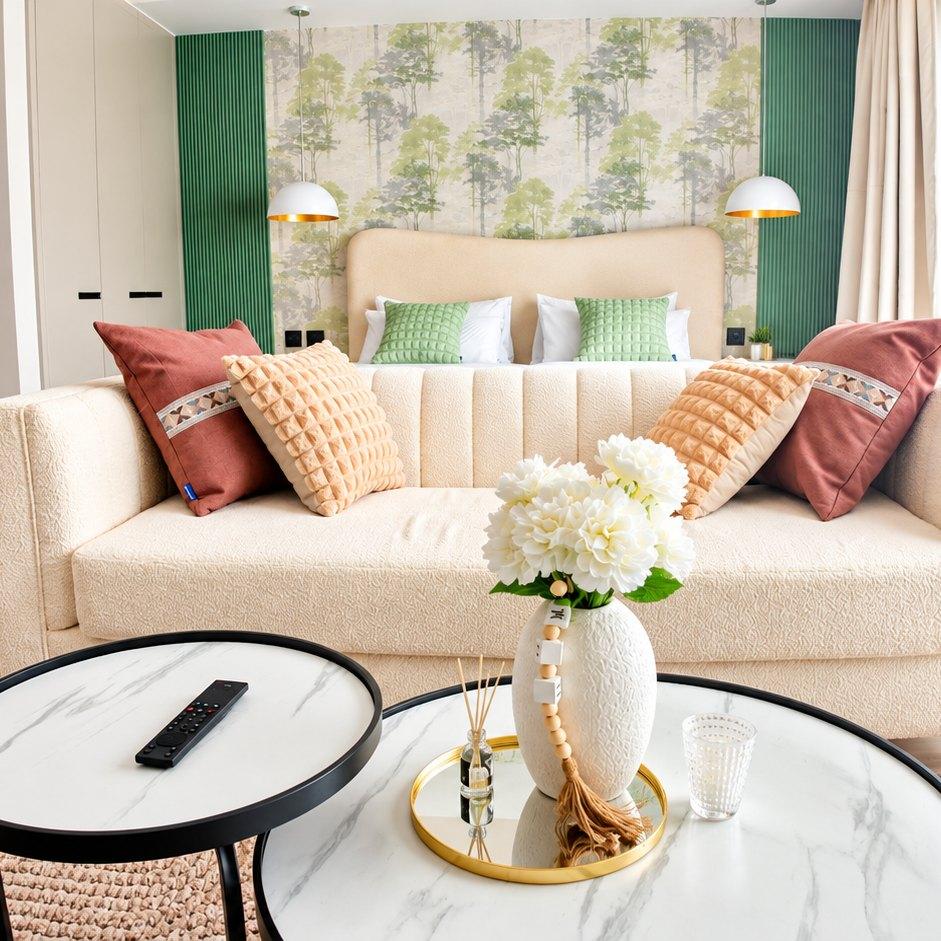
A good share of the people who stay with us are not in Nairobi by choice. They are here because a parent, a partner or a child is being treated at one of the hospitals in Upper Hill, and they need somewhere to sleep that is close enough to be useful.
Nobody plans this trip in advance, and most of the advice written for visitors to Nairobi is useless for it. So here is what we have learned from guests who have done it.
Distance is measured in minutes, not kilometres
Nairobi Hospital, Kenyatta National Hospital and the specialist clinics around them sit inside or on the edge of Upper Hill. A place two kilometres away in Kilimani looks close on a map and can be forty minutes at the wrong time of day. A place you can walk to in fifteen minutes is always a fifteen-minute walk.
That matters most in the parts of the day nobody plans for: coming back for a forgotten charger, going out for real food at nine at night, the call that means you should be there now.
Ask one question of anywhere you are considering: can I do this journey on foot, in the dark, without arranging anything? If the answer is yes, the rest of the decision matters much less than you think.
Why a kitchen turns out to matter
Hospital stays run long and hospital food is for patients. After a few days, the ability to make eggs at seven in the morning, or soup at midnight, stops being a luxury and starts being the thing holding the week together.
It is also the difference between eating properly and living on takeaway for three weeks, which is not a small thing when you are the person who has to stay well enough to look after somebody else.
- A fridge means medication that needs cooling has somewhere to go — worth checking before you arrive.
- A washing machine means one small bag instead of a fortnight of laundry bills.
- A separate seating area means somebody can sleep while somebody else sits up.
Book flexibly, because plans change
Treatment rarely runs to schedule. Discharge slips by three days; a follow-up appointment appears from nowhere. Booking a fortnight and extending is almost always better than committing to a month, provided extending is actually possible.
It is worth asking directly how a place handles this before you book. With us, guests ask to extend from their account and we confirm if the nights are free; if they are not, we say so early rather than at the door. Our cancellation and changes page sets out the rest.
Practical things worth arranging early
- A local number. A Kenyan SIM is inexpensive and makes every hospital call, taxi and delivery easier.
- Cash and M-Pesa. Cards work in the hospitals and larger shops. Almost everything else runs on M-Pesa.
- Somewhere to work. Many people end up handling their job from the room between visits. A desk and reliable Wi-Fi make that survivable — see working from Nairobi for a few weeks.